
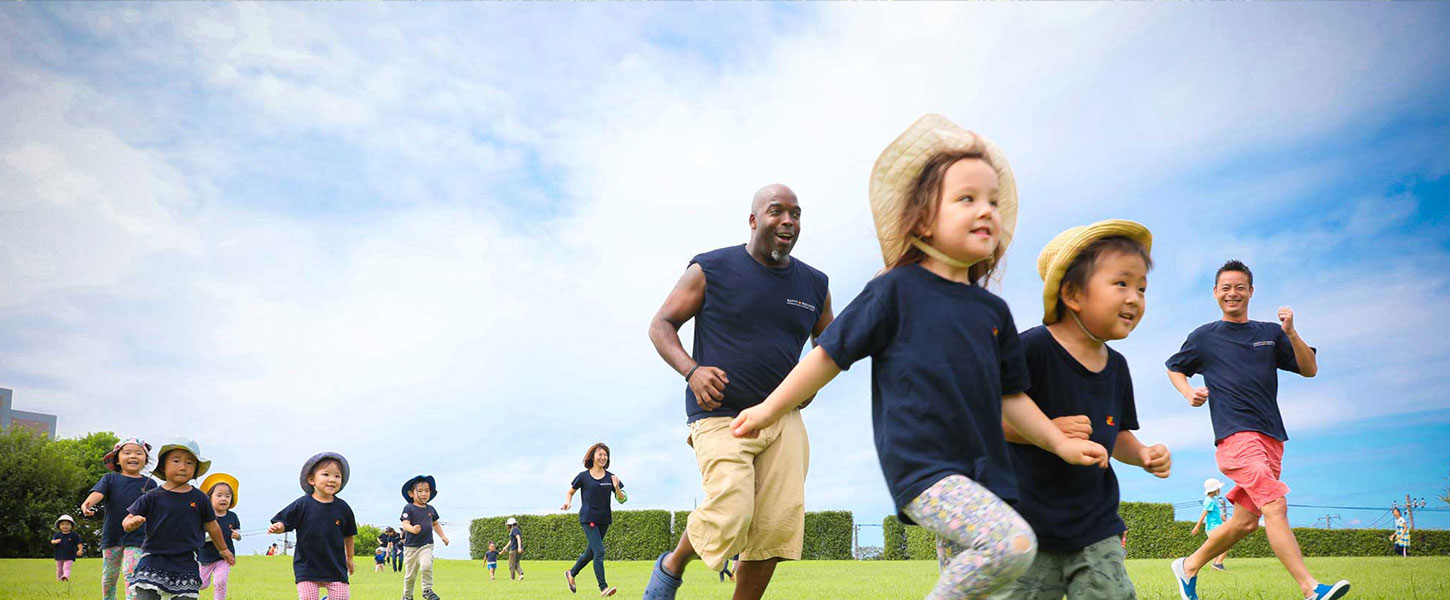
Embracing Diversity in Nationality, Age, Developmental Pace, and Language
At our INTERNATIONAL school, we naturally want children to enhance their future opportunities by learning English, expanding their options. However, I believe that when faced with choices, the important thing is for children to be able to “make their own decisions.” Moreover, we hope that as they grow, children will learn to explore their own paths, whether it’s choosing between liberal arts or sciences, deciding to study abroad, or selecting the school they wish to attend.
While the term “inclusive education” is becoming more common these days, we have been committed to this approach for over ten years. In Japan, inclusive education is often understood as creating an environment where children with disabilities are integrated. However, true inclusive education goes beyond developmental differences—it encompasses a variety of diverse differences.
Our slogan at HAPPY HORIZONS, “Everyone is different, and that’s what makes us great,” reflects our belief in creating an environment where individuality is celebrated.
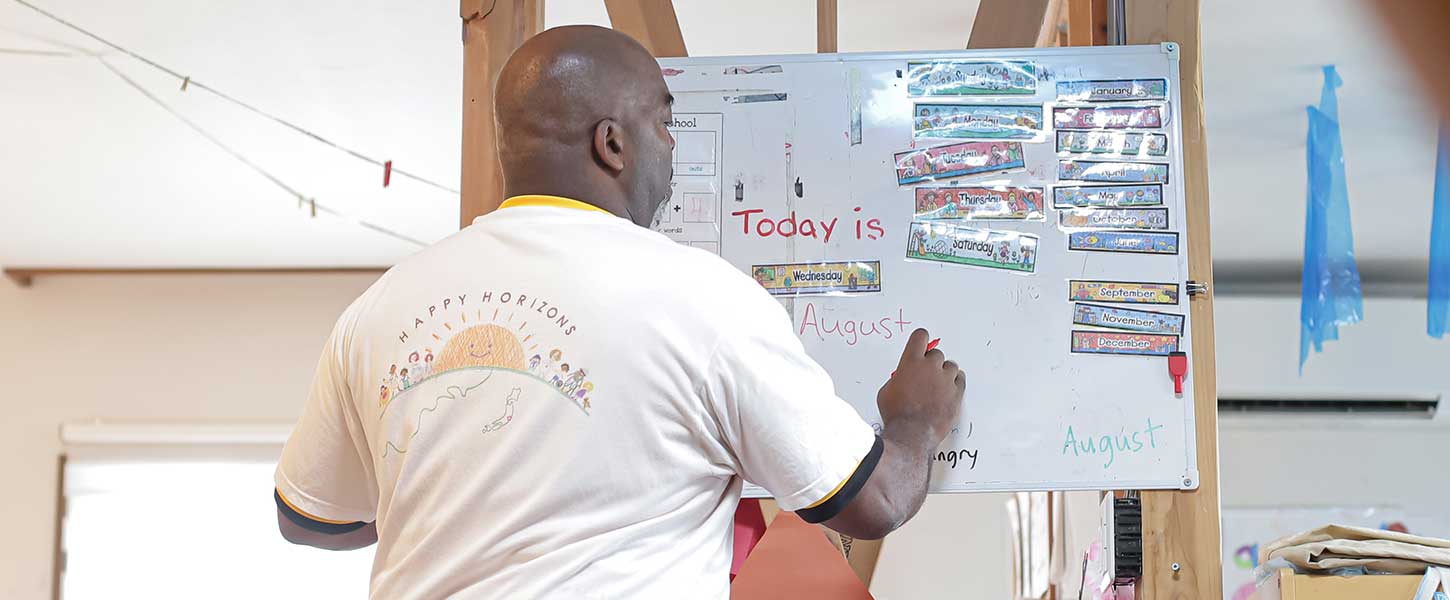 We are dedicated to fostering an inclusive environment in both education and child care, while promoting bilingualism. Our goal is to nurture individuals who will be trusted on the global stage in the future.
Why Mixed-Age Groups? At HAPPY HORIZONS, we embrace the idea of having children of different ages in the same environment. This is because young children grow at different rates depending on their age, and we want to avoid imposing rigid expectations such as “At this age, you must be able to do this” or “At this age, you should be at this stage.”
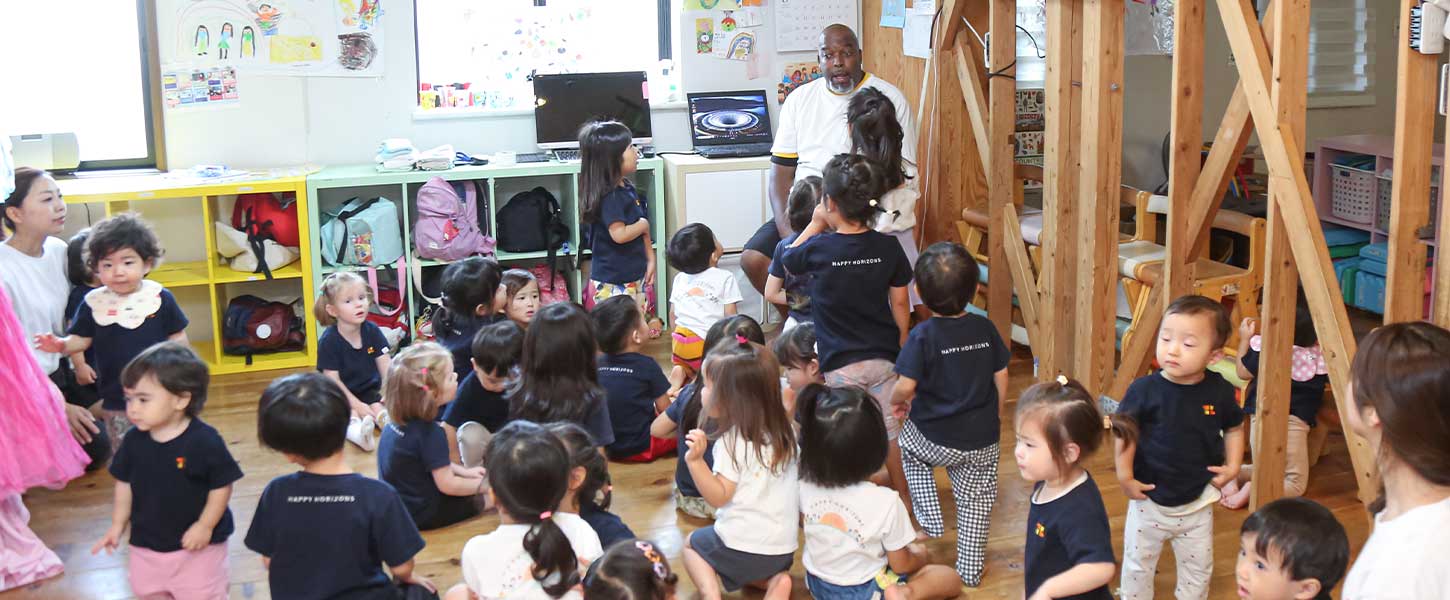 Beyond language, different countries bring varied cultural traditions, educational philosophies, and religious beliefs. Bringing together families from different countries and backgrounds contributes to creating an inclusive educational environment.
Above all, isn’t it important to embrace differences in thinking, personality, and expression? When adults impose rules such as “You must do this” or “Being able to do this is right,” children’s individuality can be stifled under the pressure to conform.
One thing we focus on is whether it is really necessary for a child to ask, “May I go to the restroom?” Is it beneficial for a child to always need permission or confirmation for everything?
Children should be able to express their feelings and intentions freely. In many cases, this can start with simple actions and decisions. For example, why can’t a child just say, “I’m going to the bathroom!” instead of asking for permission each time? Of course, we understand that there are appropriate times and places for certain behaviors, but we believe in fostering the confidence for children to express themselves naturally.


