
Our Vision for Fouondation and Education
Hello! I’m Keisuke Machi, the founder and director of HAPPY HORIZONS. Today, I’d like to share with you the story behind the founding of our daycare and the philosophy that drives us.
Philosophy of Our Daycare
“We want children to grow into adults who can do everything on their own.” Having interacted with over 2,000 parents from the local community, many have shared that they want their children to pursue what they truly want to do when they become adults. At HAPPY HORIZONS, our hope is that children grow into adults who create and shape their own lives, using their own strength.
Our Educational Philosophy
“By spending every day filled with excitement and happiness, we foster the ability in children to create on their own.”
Our Thoughts on Education
Can you imagine what the world will be like when our children become adults, in 20 to 30 years? One of the definitions of education is “doing something meaningful when entering society.” This means we, as educators, must consider the world of 20 to 30 years from now.
Solving Global Challenges
We are entering an era where solving the problems in front of us will require us to collaborate with people from all over the world. In today’s information society, globalized world, and AI-driven era, English has become the universal language over the past century. However, we are now moving towards a multilingual world, where communicating with people from diverse linguistic backgrounds will be essential to solving societal challenges.
The Arrival of the AI Era
Specifically, the rise of AI. Twenty to thirty years ago, could anyone have imagined a world where most people carry around a small device like a smartphone, exchanging information over the internet? Of course, I certainly couldn’t have.
Since the proposal of Moore’s Law 60 years ago, the growth of semiconductors has followed exactly as predicted. Technological progress is accelerating at the same—or even faster—pace, especially with the advent of AI.
Predictions of the Singularity
We’ve heard predictions of the “singularity”—the moment when AI-equipped robots surpass the collective intelligence of all humanity. This moment is predicted to happen around 2045.
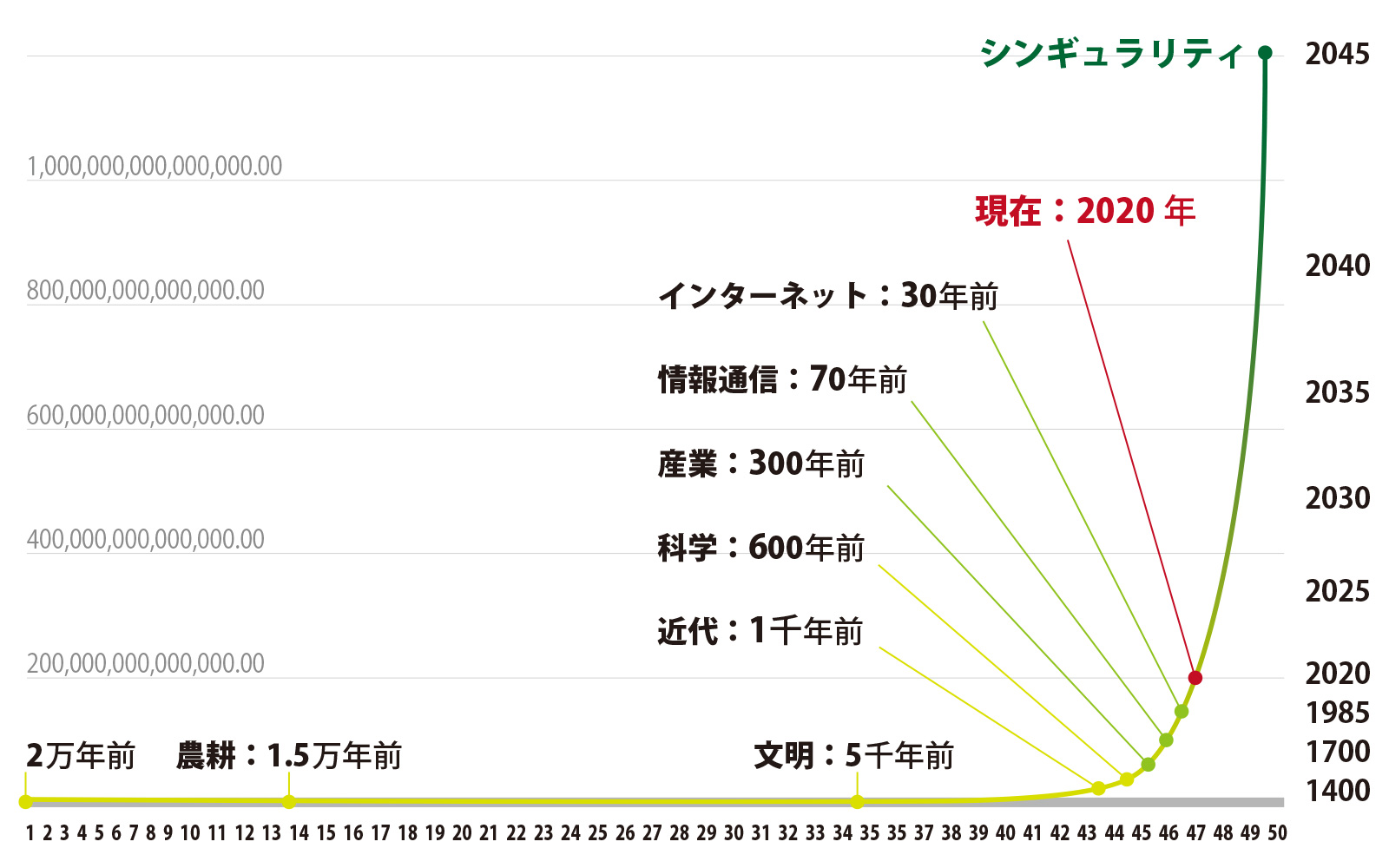 Just a few years ago, experts said that AI technologies, like ChatGPT, would appear about 2-3 years later than they actually did. Now, we live in a world where even university theses can be completed by ChatGPT in a matter of minutes.
This means that technological progress will continue to accelerate exponentially. We are currently in the midst of what may be called the “Technological Revolution,” comparable to the agricultural and industrial revolutions, but far more rapid and transformative.
For the Future of Our Children
By the time our current children become adults, it’s said that half of all existing jobs will be replaced by AI and robots. In such a world, what should we be teaching our children?
I believe we should emphasize the importance of “creating on their own.” No matter the situation or era, they must learn to think for themselves, make their own decisions, and create, rather than waiting to be told what to do.
Balancing Knowledge and Experience
It is important to memorize things, to accumulate knowledge. But when combined with experience, knowledge becomes wisdom that nurtures the power to live. Yet, don’t you feel that Japanese education currently places too much emphasis on storing knowledge, and not enough on gaining experience—learning from failure and emotional growth?
Don’t you think we should create an environment where children can express themselves freely, where being different from others is accepted, and where they can experience a wide range of things?
The Importance of Self-Expression in Early Childhood
During early childhood, I am convinced that ”art” plays a crucial role in self-expression. It’s not about drawing a perfect picture, but about expressing what they think through drawing, crafting, dancing, or music. In an environment where children can freely debate with friends of different nationalities, ages, genders, and ideas, they will naturally come to understand that it’s okay to be different.
Early Childhood Education in the Age of Technological Revolution
In this age of technological revolution, it’s vital that children experience “creating on their own” at a young age. Early childhood is the most critical period for brain development, and this is when such experiences become invaluable.
Adapting to Environmental Changes and Future Challenges
The world is now grappling with how to mitigate environmental destruction, which will be one of the key challenges moving forward. In Japan, we are already seeing the effects. For example, we used to associate autumn with eating “sanma” (mackerel pike), but many of us no longer have the opportunity to eat it regularly due to rising sea temperatures and poor fishing yields.
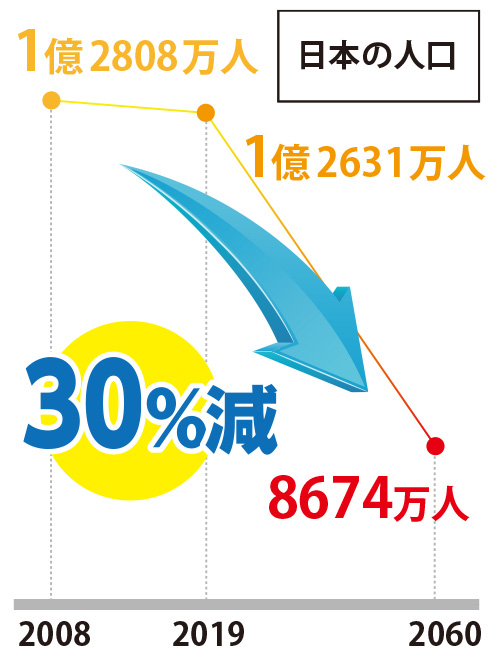
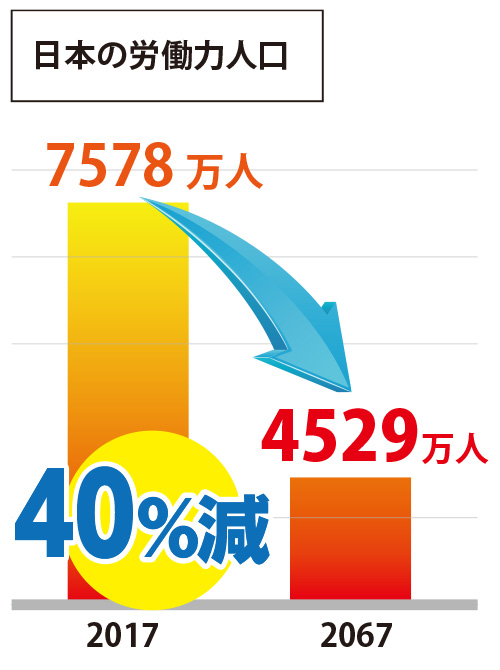
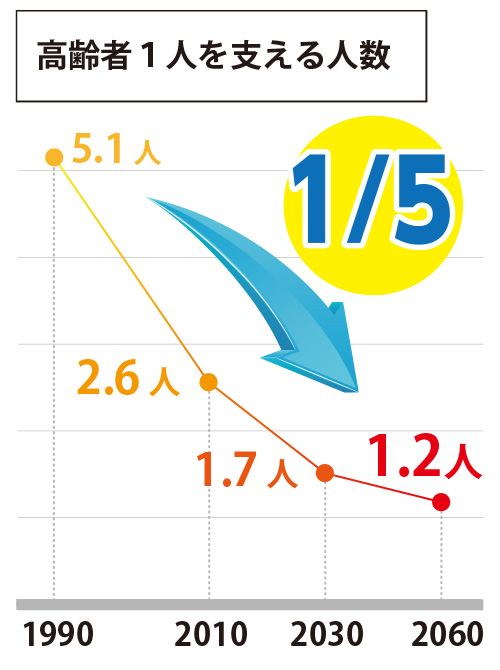
The impact of an aging population and declining birth rates
Seeking Educational Transformation
It’s time to break away from the traditional educational system, where everyone is taught the same thing and expected to memorize it. Let’s stop stifling the potential of children who are born with limitless possibilities. Discipline is important, but let’s move away from overly controlling approaches disguised as “discipline.”
Instead, let’s focus on raising children who can think for themselves, express themselves freely, and create their own paths in life.
The Traditional Japanese Educational Philosophy of “Toku-zumi” (Virtue Accumulation)
Let’s not forget that Japan has a deep-rooted educational philosophy called “toku-zumi,” or “virtue accumulation,” passed down through generations. This philosophy teaches self-discipline, respect for nature, and living an honorable life. It involves cultivating proper manners, keeping promises, showing respect for others, and living truthfully.
These values form the foundation of Japan’s hospitality culture—an ethos where we maintain order and harmony, regardless of the situation.
Cherishing Individuality Building on the values of “toku-zumi,” we aim to foster each child’s unique identity, to help them embrace their own sense of self. We hope that children learn to value themselves, express their individuality, and grow in an environment where they feel loved by their parents, cared for with healthy meals, and confident in their ability to trust themselves and shape their own lives.
This is the vision we hold for the children of today and tomorrow.


